
Stories · Mar 20, 2026
The Ultimate Guide to Cooking Seafood at Home
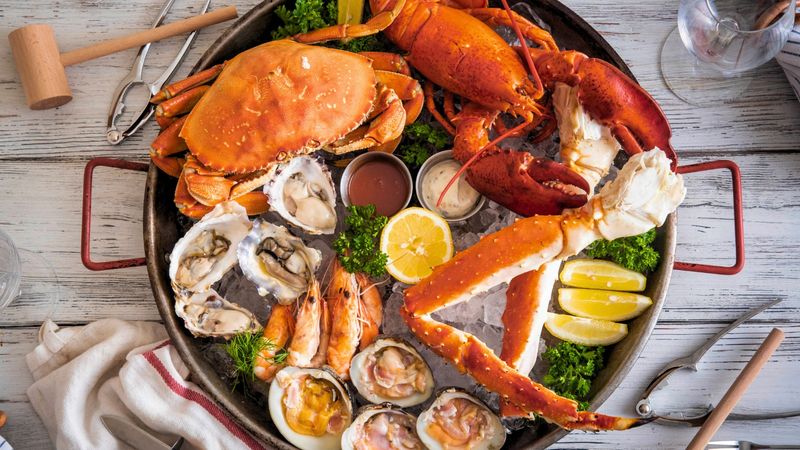
Look, we get it. You've been staring longingly through our windows at Pelican Grill seafood restaurant, watching our chefs expertly flip, sear, and garnish the most delectable ocean treasures. You've thought to yourself, "Maybe I could do that!" followed immediately by, "Nah, I'd probably burn down the kitchen and end up ordering pizza."
Well, put down that pizza menu and pick up your spatula, brave home cook! While we'd love to see your smiling face at our restaurant every night (our staff has families to feed too, you know), we're willing to share some insider seafood secrets for those nights when leaving the house feels like an expedition to the Mariana Trench.
Finding the Good Stuff: Sourcing Quality Seafood
Before you channel your inner sea captain, you need to know where to find the bounty of the deep. If "fresh seafood close to me" is your most frequent search query (we see you, and we're not judging), here's the scoop:
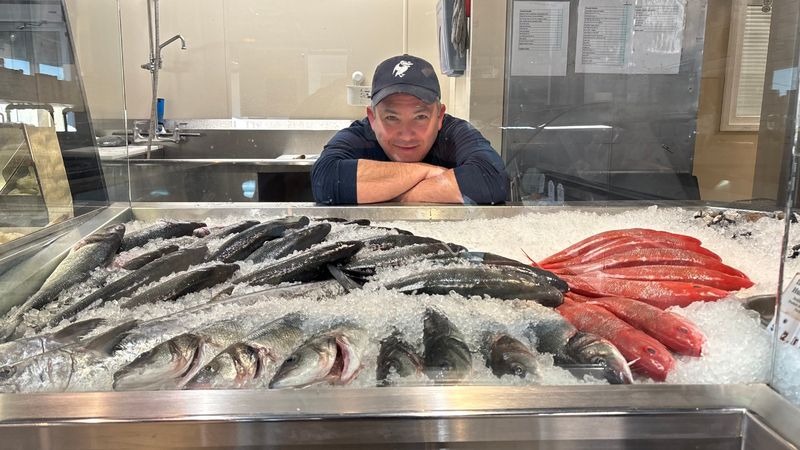
Seafood market near me: Look, we're not saying Pelican Seafood Market Ottawa is the only place to get quality fish, but ... okay, that's exactly what we're implying. Our fish is so fresh it might still be checking its emails.
Fish market near me: If you can't make it to Pelican (gasp!), seek out markets where the fish doesn't smell like, well, fish. Fresh seafood has a clean, oceanic aroma - like a beach vacation without the sunburn.
When all the fish markets near me are closed: In dire circumstances, quality frozen seafood can be your lifesaver. Learning how to cook frozen seafood properly means you can keep your favourites on hand for whenever the craving strikes. Just remember: that package of freezer-burned "seafood medley" that's been lurking in your freezer since the last solar eclipse doesn't count.
The Essential Seafood Arsenal: Tools & Ingredients
Every kitchen commander needs the right equipment:
A sharp knife (dull knives are for sad kitchens and boring stories)
Fish spatula (yes, it's different from a regular spatula - we don't make the rules)
Instant-read thermometer (because "cook until it looks done" is how seafood tragedies begin)
Old Bay seasoning (more on this magical dust later)
Lemon (nature's Febreze for seafood)
Butter (nature's ... well, butter is just butter, and it makes everything better)
What Is Old Bay Seasoning, Anyway?
If you've ever wondered "what is Old Bay seasoning" while staring at that iconic yellow tin, you're not alone. This magical blend contains paprika, celery salt, black pepper, and a secret mix of spices that Maryland residents are legally required to defend with their lives.
At Pelican, we sprinkle this celestial dust on practically everything. Fish? Yes. Crab? Absolutely. The occasional difficult customer? We neither confirm nor deny.

How to Not Ruin Perfectly Good Seafood: A Step-by-Step Guide
How to Cook Frozen Crab Legs
You've ambitiously purchased frozen crab legs, and now they're staring at you accusingly from the freezer. Fear not!
Thaw them properly: Place them in the refrigerator overnight. Emergency situation? Cold water bath for 30 minutes. Microwave defrost? Just throw them away now and order takeout.
Steam them: In a large pot with about 2 inches of water, bring to a boil, then place your crab legs in a steamer basket. Cover and steam for about 6 minutes.
The crack: Armed with a crab cracker (or, in desperate times, clean pliers from the garage), crack open your crab legs and prepare for the sweet, sweet reward of your patience.
Congratulations! You now know how to cook frozen crab legs without bringing shame upon your household.
How to Cook Fresh and Frozen Lobster
Here at Pelican, we're all about fresh lobster - live and kicking. Whether you're cooking for a special occasion or just treating yourself to a weeknight feast, here's how to do it right.
How to cook fresh lobster:
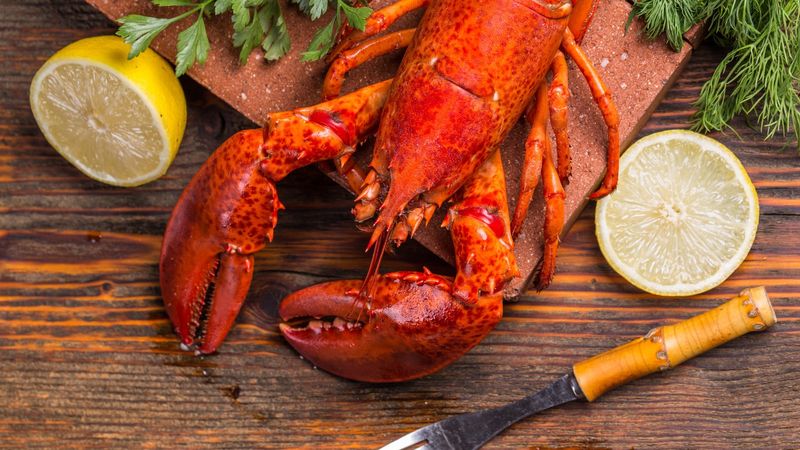
Boiling lobster: Fill a large pot with salted water (it should taste like the ocean). Bring to a rolling boil. For live lobster, plunge headfirst into the water. For a one-pound lobster, boil for eight to nine minutes. When it turns bright red and the meat is opaque white, it's ready to meet its destiny.
The victory dance: This is an essential step often overlooked in lesser guides. Once your lobster is perfectly cooked, you must perform a small kitchen jig to honour Neptune, god of the sea.
Okay, here's another scenario: you're at the Market, our fresh lobster looks incredible, but your dinner party isn't until next week. Can you freeze it? Absolutely. Should you? That depends.
Why freeze fresh lobster: Maybe you bought live lobster but your plans changed, or you want to meal prep for a special occasion. Freezing fresh lobster lets you lock in that peak freshness and cook it on your schedule. Just know that cooking fresh is always our first choice when possible.
How to freeze fresh lobster properly:
For live lobster: Cook it first (see boiling method above), then remove the meat from the shell. Let it cool completely. Place in an airtight container or freezer bag, removing as much air as possible, and freeze for up to three months.
For pre-cooked lobster meat: Place in an airtight container or freezer bag, removing as much air as possible. Use within three months for best quality.
How to cook frozen lobster:
So, you've got frozen lobster (the cooked kind, already out of the shell). Maybe you batch-cooked it, or a well-meaning friend gave you their leftovers. Here's how to bring it back to life without turning it into seafood jerky.
Thaw it properly: Transfer your frozen lobster meat to the refrigerator and let it thaw overnight. For a quicker thaw, place the sealed container in a bowl of cold water for 1-2 hours, changing the water every 30 minutes. Never use hot water or the microwave - that's how you end up with disappointment.
Reheating frozen (thawed) lobster: The goal is to warm it gently, not cook it again. Here are your best options:
Steaming method (preferred): Place thawed lobster meat in a steamer basket over boiling water. Cover and steam for 3-5 minutes until heated through. This keeps the meat moist and tender.
Butter poaching: Melt butter in a pan over low heat. Add your thawed lobster meat and gently warm for 3-4 minutes, basting with the butter. This adds richness and prevents drying out.
Oven method: Wrap lobster meat in foil with a pat of butter. Warm in a 350°F oven for 10 minutes. Check and add another 5 minutes if needed.
The key: Low and slow. Already-cooked Lobster just needs to be warmed, not re-cooked. Overheating turns that premium meat into expensive rubber bands.
How to Fillet a Pickerel
Learning how to fillet a pickerel is like learning to ride a bike—except slipperier and with sharper objects involved:
Start with a sharp knife: A dull knife is dangerous, frustrating, and frankly, disrespectful to the fish.
Make the initial cut: Behind the gills, cut down until you hit the backbone.
The long slice: Turn your knife parallel to the backbone and slice along it from head to tail, staying close to the bones.
The flip and repeat: Turn the fish over and do it again. If you've made it this far without any bandages, you're already ahead of most first-timers.
Remove the skin: With the fillet skin-side down, insert your knife between the flesh and skin at the tail end, then grip the skin and pull while sliding your knife along the border.
When All Else Fails: The Pelican Lifeline
Listen, we all have kitchen disasters. That time you tried to flip a fish and it ended up on the ceiling? Been there. The infamous "smoke alarm symphony" while searing scallops? A classic.
When your seafood aspirations exceed your abilities (or energy levels), remember that Pelican Grill seafood restaurant is just a phone call away. Our seafood for takeout options mean you can still enjoy a magnificent meal without the maritime mishaps in your kitchen.
Parting Wisdom from Pelican
Cooking seafood at home doesn't have to be intimidating. With quality ingredients from a trusted seafood market, proper techniques, and a sense of humor when things go sideways, you can create restaurant-worthy dishes.
But on those days when the thought of dealing with one more fish skin makes you want to become strictly vegetarian, we'll be here with perfectly prepared seafood, cold drinks, and zero judgment about that lingering smell of last week's salmon experiment in your hair.
Pelican Seafood Market & Grill: Because sometimes the best catch is the one someone else caught, cleaned, and cooked for you.
Looking for more seafood adventures? Check out our other guides, including our crowd-favorite recipes for fresh ceviche, and our quick garlic shrimp pasta dinner.
Shop fresh seafood
At Pelican Seafood Market & Grill, we carry the freshest seafood in Ottawa all year round.