
From Our Fish Counter
Fish Cooking Guide
How to choose, keep, thaw and cook the seafood you take home, fish by fish, from the people who cut it for you.
The Short Version
Buy it for tonight or tomorrow. Fresh fish is at its best in the first day or two. If your plans change, freeze it the day you buy it.
Keep it cold. Straight into the coldest part of the fridge, at 4 °C (40 °F) or colder, still wrapped, on a plate.
Thaw it in the fridge. Overnight is best; cold water in a sealed bag if you’re in a hurry. Never on the counter.
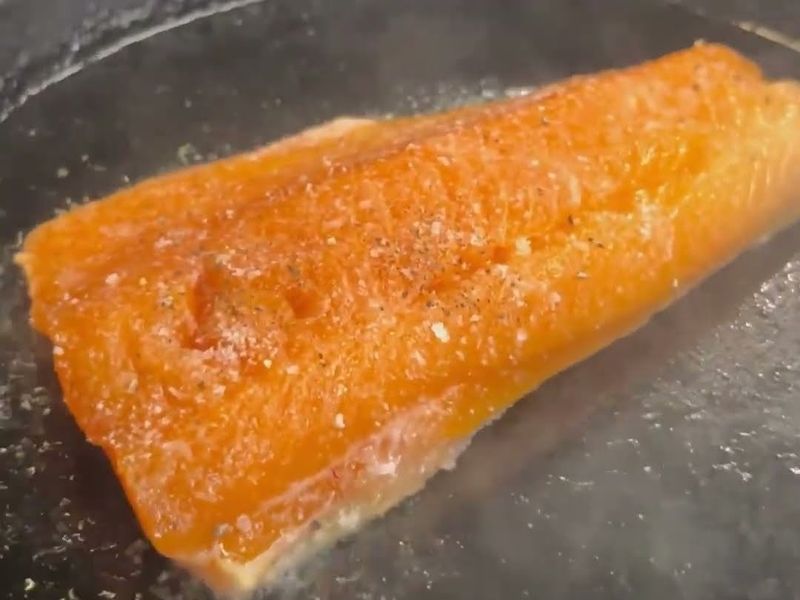
Pat it dry, get the pan hot. A dry fillet in a hot pan browns instead of steaming and sticking.
Stop when it flakes. Fish is done when the centre turns opaque and flakes easily with a fork. The most common mistake is cooking it too long.
Choosing Seafood
Fresh fish smells like the sea, never fishy. The flesh should look moist and glossy and spring back when pressed. A whole fish should have clear, bright eyes and red gills.
Live shellfish should be alive. Oysters, mussels and clams should be tightly closed, or close when you tap them. Lobsters should move when picked up.
Frozen isn’t second best. Much of the world’s best seafood, from shrimp to scallops, is frozen within hours of the catch, which keeps it at its peak until you thaw it. Look for frozen seafood that’s hard and free of heavy frost: a lot of frost can mean it has been frozen a long time or thawed and refrozen.
How much to buy. A 6 to 8 oz (170 to 225 g) fillet per person for a main course. Our 7 oz fillets feed one. A whole Atlantic salmon side feeds 8 to 12. For oysters, about 6 per person as a starter, 12 if they’re the main event. Two pounds of mussels feed 2 as a main or 4 as a starter.
Not sure? Ask at the counter: we’ll cut what you need and tell you how it was caught or farmed.
Keeping It Cold
Make us your last stop. Take seafood straight home, and on a warm day bring a cooler bag or ask us for ice.
In the fridge: keep your fridge at 4 °C (40 °F) or colder. Put fish on a plate in the coldest part, usually the back of the bottom shelf, still wrapped and below anything that’s ready to eat, so nothing drips onto it.
How long: we suggest cooking fresh fish within 1 to 2 days, for the best flavour. Health Canada’s limits in the fridge are 3 to 4 days for fresh fish, 1 to 2 days for raw scallops and shrimp and for cooked shellfish, and 12 to 24 hours for fresh clams, crab and lobster. Cook live lobster the day you buy it. Keep oysters and mussels cup side down or in an open bowl under a damp cloth, never in water or a sealed bag, and eat them within 2 days.
In the freezer: keep it at −18 °C (0 °F) or colder. Wrap fish tightly, pressing out the air, and label it with the date. For the best quality, use lean fish like cod and haddock within 6 months, oily fish like salmon and trout within 2 months, and shellfish within 2 to 4 months.
Leftovers: refrigerate cooked fish within 2 hours and eat it within 2 to 3 days.
Thawing Frozen Seafood
Best: in the fridge. Move it from the freezer to the fridge the night before, in its bag or on a plate. Most fillets and shellfish thaw overnight.
Faster: in cold water. Keep it in a sealed bag and sink it in a bowl of cold water, changing the water every 30 minutes. Shrimp and scallops take 20 to 45 minutes; a lobster tail about 30.
Fastest: the microwave, on its defrost setting, only if you’ll cook it right away.
Never thaw seafood on the counter, and don’t refreeze it once it has fully thawed. Items we sell as “Thawed” or “Previously frozen” are already thawed: keep them in the fridge and cook them within a day.
Once thawed, drain it and pat it dry with paper towel before cooking.
When Is It Done?
By eye: fish is done when the centre turns from translucent to opaque and the flesh flakes easily when pressed with a fork. Shrimp turn pink and just firm (a loose C shape: a tight O means overcooked). Scallops are done when just opaque in the centre and springy. Lobster is done when the shell is bright red and the meat is white all the way through.
A rough rule: allow about 10 minutes for every inch (2.5 cm) of thickness, measured at the thickest part, at 400 °F (200 °C).
With a thermometer, in the thickest part: Health Canada’s safe internal temperatures are 70 °C (158 °F) for fish and 74 °C (165 °F) for shellfish such as lobster, shrimp, scallops, mussels and oysters.
Many chefs take fish off the heat sooner, for a moist centre: about 50 to 52 °C (122 to 125 °F) for salmon, trout and char, 55 to 57 °C (130 to 135 °F) for halibut, and 57 to 60 °C (135 to 140 °F) for cod and haddock. If you do, use the freshest fish, and always cook to Health Canada’s temperatures for anyone who is pregnant, 60 or over, 5 or under, or has a weakened immune system.
Mussels, clams and oysters in the shell: throw away any that don’t open when cooked.
Five Ways to Cook a Fillet
Pan-sear. Pat the fish very dry and season it just before cooking. Heat a little oil in a heavy pan until it shimmers, lay the fillet in skin side down, and press it flat for the first 30 seconds. Leave it alone until the skin is crisp and releases on its own, then flip for the last minute or two. A knob of butter at the end, spooned over, finishes it.
Roast. The easiest way to cook a big piece. Skin side down on a lined tray, brush with oil or a glaze, season, and bake at 400 °F (200 °C), about 10 minutes per inch of thickness. Fold a thin tail under so it cooks evenly.
Broil. Good for lobster tails, shrimp and thin fillets. Brush with butter and cook 10 to 15 cm (4 to 6 in) from the element, watching closely: it takes minutes.
Grill. Oil the fish, not just the grill. Firm fish like salmon and halibut grill best; for delicate fish or a whole side, use a soaked cedar plank or foil over medium heat with the lid closed.
Poach or steam. Gentle and forgiving. Slide fish into barely simmering stock or salted water with lemon and herbs for 8 to 10 minutes. Steam mussels in a covered pot with a splash of white wine for 5 to 7 minutes.
Fish by Fish
Tap a fish for how to keep it, how to cook it and how to tell when it’s done. The same notes are on each item’s page in our online store, where you can also have them emailed to you.
Salmon (Atlantic and Organic Chinook)
Cooking it. Fillets: pat dry, season, and lay skin side down in a hot oiled pan for 4 to 5 minutes until the skin is crisp, then flip for 2 to 3 minutes more. Or bake at 400 °F (200 °C) for 12 to 15 minutes. Larger pieces and whole sides: roast skin side down at 400 °F (200 °C), about 10 minutes per inch of thickness, 15 to 25 minutes for most pieces, 20 to 25 for a side. Great on a cedar plank on the barbecue. Chinook is richer than Atlantic and very forgiving. Our sushi salmon needs no cooking: keep it cold, slice it across the grain with a long sharp knife, and eat it the day you buy it or the next.
Doneness. Opaque centre that flakes easily. With a thermometer, chefs take it off at 50 to 52 °C (122 to 125 °F). Health Canada recommends 70 °C (158 °F) for fish. Cook to that for anyone who is pregnant, 60 or over, 5 or under, or has a weakened immune system. Health Canada also advises the same groups not to eat raw fish.
Shop: Atlantic Salmon Fillet · Organic Chinook Fillet · Atlantic Salmon Side · Salmon for Sushi
Arctic Char
Cooking it. Thinner than salmon, so it cooks quickly. Pat the skin very dry, season, and lay it skin side down in a hot oiled pan. Press it flat for 30 seconds, cook 3 to 4 minutes until the skin is crisp, then flip for 1 minute.
Doneness. Opaque centre that flakes easily; chefs take it off at 50 to 52 °C (122 to 125 °F). Health Canada recommends 70 °C (158 °F) for fish. Cook to that for anyone who is pregnant, 60 or over, 5 or under, or has a weakened immune system.
Shop: Arctic Char Fillet
Steelhead Trout
Cooking it. Cook it like salmon, a little quicker: skin side down in a hot oiled pan for 3 to 4 minutes, flip, and give it 1 to 2 minutes more. Or bake at 400 °F (200 °C) for 10 to 12 minutes.
Doneness. Opaque centre that flakes easily; chefs take it off at 50 to 52 °C (122 to 125 °F). Health Canada recommends 70 °C (158 °F) for fish. Cook to that for anyone who is pregnant, 60 or over, 5 or under, or has a weakened immune system.
Shop: Steelhead Trout Fillet
Halibut
Cooking it. Halibut is lean, so the only way to spoil it is to overcook it. Pat dry, season, and sear in a hot pan with oil for 3 to 4 minutes until golden. Flip, add a knob of butter, and baste for 2 to 3 minutes more. Or bake at 400 °F (200 °C) for 12 to 15 minutes. Roast a larger piece whole, about 10 minutes per inch of thickness.
Doneness. Take it off the heat the moment it turns opaque and flakes; chefs aim for 55 to 57 °C (130 to 135 °F). Health Canada recommends 70 °C (158 °F) for fish. Cook to that for anyone who is pregnant, 60 or over, 5 or under, or has a weakened immune system.
Shop: Halibut Fillet · Halibut, Larger Piece
Cod
Cooking it. The loin is the thickest, best part of the cod. Brush with oil or butter, season, and roast at 400 °F (200 °C): 12 to 15 minutes for 7 oz, 18 to 22 minutes for 16 oz. Or pan-sear 7 oz pieces for 4 minutes a side. 7 oz feeds one; 16 oz feeds two.
Doneness. Opaque centre that flakes easily; chefs take it off at 57 to 60 °C (135 to 140 °F). Health Canada recommends 70 °C (158 °F) for fish. Cook to that for anyone who is pregnant, 60 or over, 5 or under, or has a weakened immune system.
Shop: Jumbo Icelandic Cod Loin
Haddock
Cooking it. Thin and delicate, so it cooks fast. Bake at 400 °F (200 °C) for 10 to 12 minutes with butter and lemon, or pan-fry for 2 to 3 minutes a side. It’s also the classic fish for fish and chips.
Doneness. Opaque centre that flakes easily; chefs take it off at 57 to 60 °C (135 to 140 °F). Health Canada recommends 70 °C (158 °F) for fish. Cook to that for anyone who is pregnant, 60 or over, 5 or under, or has a weakened immune system.
Shop: Icelandic Haddock Fillet
Tilapia
Cooking it. Mild and thin, it takes on whatever you season it with: try a spice rub, or fish tacos. Pan-fry in a hot oiled pan for 2 to 3 minutes a side, or bake at 400 °F (200 °C) for about 10 minutes.
Doneness. Opaque centre that flakes easily; chefs take it off at 60 °C (140 °F). Health Canada recommends 70 °C (158 °F) for fish. Cook to that for anyone who is pregnant, 60 or over, 5 or under, or has a weakened immune system.
Shop: Tilapia Fillet
Scallops
Cooking it. The secret is a very dry scallop and a very hot pan. Pat them dry, salt them just before cooking, and sear in a smoking-hot pan with a little oil for about 2 minutes, until a golden crust forms. Flip, add a knob of butter, and cook 1 to 2 minutes more. Small bay scallops need only 1 to 2 minutes in hot butter, or stir them into pasta, risotto or chowder for the last 2 minutes.
Doneness. Just opaque in the centre and springy when pressed; chefs take them off at 50 to 52 °C (122 to 125 °F). Health Canada recommends 74 °C (165 °F) for shellfish. Cook to that for anyone who is pregnant, 60 or over, 5 or under, or has a weakened immune system.
Shop: Hokkaido Scallop · Îles-de-la-Madeleine Scallops · Bay Scallops
Shrimp
Cooking it. Pat raw shrimp dry and sauté or grill over high heat for 1 to 2 minutes a side, until just firm. Argentine pink shrimp are pink even when raw, so watch the texture: cook until opaque white all the way through. Shell-on, scored shrimp are made for the grill: brush with garlic butter and cook 2 to 3 minutes a side in the shell. Cooked Matane shrimp and cocktail shrimp are ready to eat: don’t cook them again or they’ll turn rubbery. Serve cocktail shrimp well chilled, on ice, and don’t leave them out for more than 2 hours.
Doneness. Pink (or opaque white) and just firm, in a loose C shape. Health Canada recommends 74 °C (165 °F) for shellfish. Cook to that for anyone who is pregnant, 60 or over, 5 or under, or has a weakened immune system.
Shop: Pacific White Shrimp · Argentine Pink Shrimp, Shell-On · Cooked Matane Shrimp · Jumbo Cocktail Shrimp
Lobster
Cooking it. Live: bring a big pot of well-salted water to a full boil. Put the lobster in head first, cover, and start timing when the water boils again: 10 to 12 minutes for 1¼ lb, 12 to 14 minutes for 1½ lb. Tails: cut down the top of the shell with scissors, lift the meat to sit on top, brush with butter and broil 5 to 7 minutes, or boil 4 to 5 minutes. Cooked lobster and lobster meat are ready to eat; to serve warm, steam a whole cooked lobster 4 to 5 minutes, or heat meat gently in butter for 1 to 2 minutes.
Doneness. Bright red shell, a small leg pulls off easily, meat white all the way through. Chefs take it off at 60 to 63 °C (140 to 145 °F) in the thickest part of the tail. Health Canada recommends 74 °C (165 °F) for shellfish. Cook to that for anyone who is pregnant, 60 or over, 5 or under, or has a weakened immune system.
Shop: Medium Atlantic Lobster · Large Atlantic Lobster · Canadian Lobster Tail · Cooked Claw & Knuckle Meat
Oysters
Cooking it. To shuck: hold the oyster flat side up in a folded towel. Push an oyster knife into the hinge at the narrow end and twist until it pops. Slide the knife along the top shell to cut it free, then under the oyster to loosen it, keeping the juice in the shell. Serve on crushed ice with lemon and mignonette. Or barbecue them whole over high heat until they pop open, 5 to 8 minutes. About 6 per person as a starter; a case of 100 suits 15 to 25 people.
Doneness. Health Canada advises people who are pregnant, adults 60 and over, children 5 and under, and anyone with a weakened immune system not to eat raw or undercooked oysters. Cooked, throw away any that don’t open.
Shop: Choice Oyster · Select Oyster · Cocktail Oyster · Case of 100
Mussels
Cooking it. Rinse them under cold water and pull off any beards. Throw away any with a cracked shell, or that are open and don’t close when tapped. Soften shallots and garlic in butter in a big pot, add a splash of white wine and the mussels, cover, and steam over high heat for 5 to 7 minutes, shaking the pot once, until they open. Two pounds feed 2 as a main or 4 as a starter.
Doneness. Shells open wide. Throw away any that stay closed.
Shop: P.E.I. Mussels
Smoked Salmon and Trout
Cooking it. Cold smoked salmon and trout are ready to eat. Take sliced fish out of the fridge 10 minutes before serving, for the best flavour, and lay it on bagels with cream cheese, capers and red onion, or on blinis with crème fraîche and dill. Chunks and whole sides are made for cutting into cubes or flaking into pasta, quiche, scrambled eggs, dips and salads. Hot smoked salmon and trout are fully cooked: serve cold, flake into salads and rice bowls, or warm them wrapped in foil at 300 °F (150 °C) for 8 to 10 minutes.
Doneness. Health Canada and the Public Health Agency of Canada list refrigerated smoked fish as a higher-risk food for Listeria. People who are pregnant, 60 or older, or have a weakened immune system are most at risk.
Shop: Sliced Cold Smoked Salmon · Sliced Cold Smoked Steelhead · BBQ Glazed Hot Smoked Salmon · Hot Smoked Trout
Common Questions
Can I refreeze fish that has thawed?
My fish smells fishy. Is it still good?
Why does my fish stick to the pan?
What’s the white stuff on my cooked salmon?
Is it safe to eat salmon that’s pink in the middle?
Which fish are high in mercury?
Can you cook it for me?
Learn It Hands-On
Our School of Fish classes teach you to fillet, shuck and cook seafood with our chefs and fishmongers.